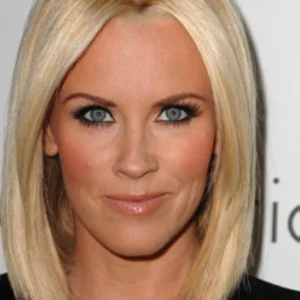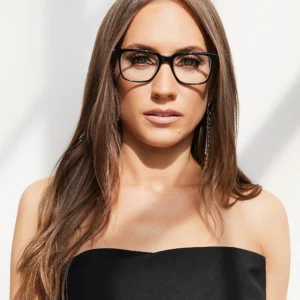
Stop right there—because this headline is designed to mess with your mind. “Rachel Riley shows off jaw-dropping huge size.” It sounds dramatic, shocking, and urgent on purpose.
It’s meant to make you click before you think. But if you stay until the end, you’ll notice what most people miss: these viral body headlines aren’t really about her at all—they’re about how people behave online. Every time a famous woman is photographed doing something completely normal—walking outside, going on holiday, wearing fitted clothes, or standing at an awkward angle—the internet suddenly feels entitled to label her body like it’s breaking news. Words like “huge,” “shocking,” and “jaw-dropping” aren’t neutral;
they’re chosen to provoke emotion, start arguments, and farm clicks, and they work because people react before questioning the framing. Photos don’t need to be fake to be misleading—angles, lighting, lenses, and split-second timing can change everything, yet online culture acts like only one body type is acceptable forever.