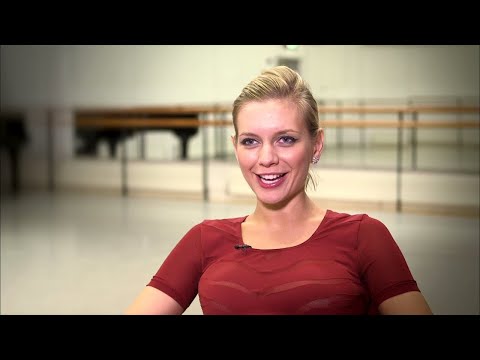
Rachel Riley often ends up at the center of these kinds of headlines, but the phrase “make sure you’re alone” isn’t really about her or the photo—it’s about grabbing your attention. It’s a classic clickbait tactic designed to trigger curiosity and a sense of secrecy, making something ordinary feel exaggerated or even inappropriate when it usually isn’t. In reality, most of these images are completely normal—just everyday moments, outfits, or public appearances—but the wording around them creates artificial drama to drive clicks and engagement.
This strategy works because it plays on emotion: it suggests you’re about to see something surprising or “too much,” even when there’s nothing unusual at all. Over time, that kind of framing also feeds into a broader issue—how women are often judged more harshly online for confidence or appearance, turning neutral images into unnecessary controversy. The key is recognizing the pattern: when a headline tries to provoke instead of inform, it’s likely bait. Ignoring that framing helps you focus on what’s actually there—a simple photo, not a scandal.